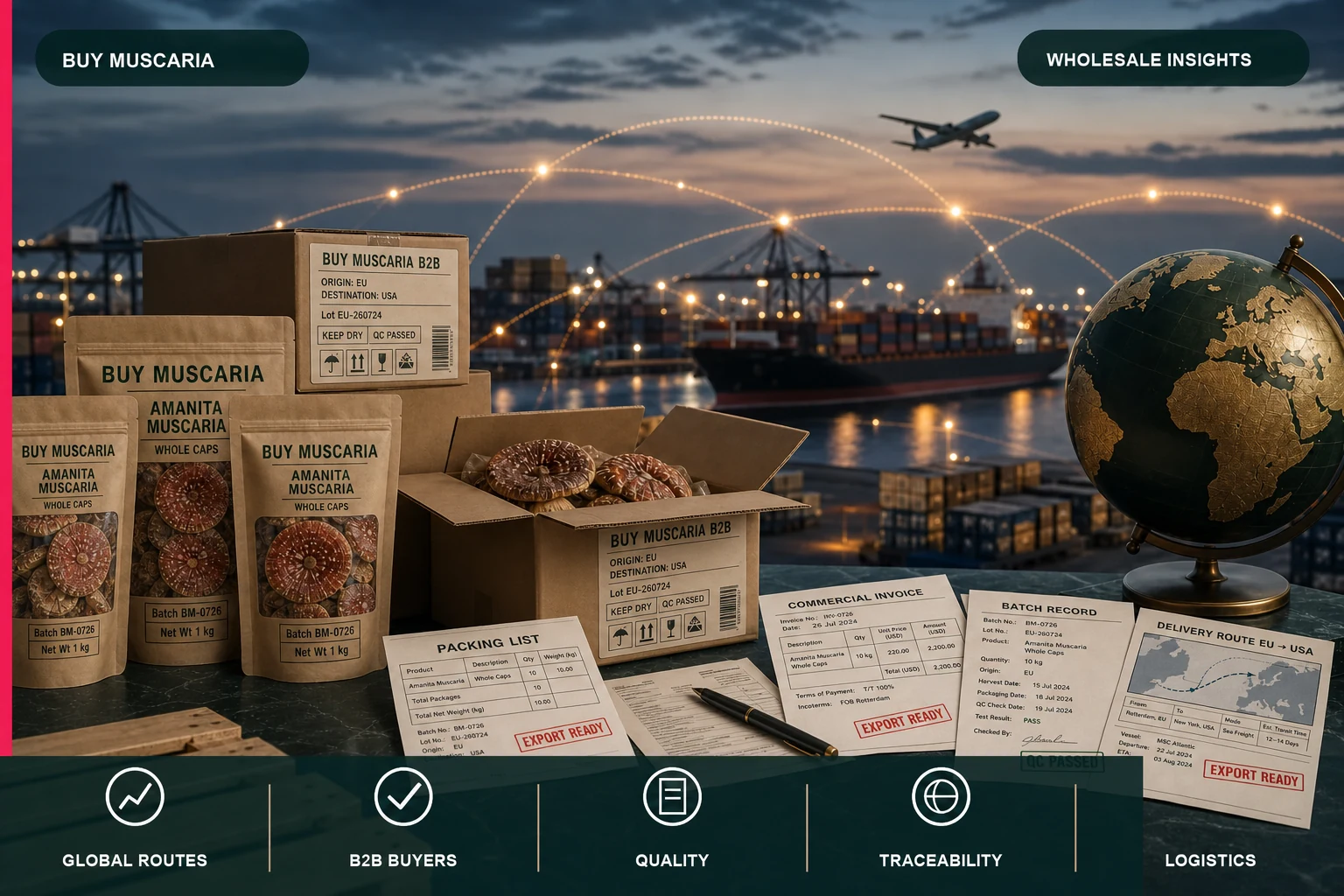
International delivery is a coordinated process involving the buyer, supplier, carrier and sometimes a customs broker or fulfilment warehouse. Clear responsibilities are more valuable than optimistic transit estimates.
The route should be planned only after the exact product, destination and commercial use are known.
Confirm the destination before quoting freight
Country alone may not be enough. The supplier needs the postal code, delivery type, unloading constraints and the legal details of the receiving company.
A warehouse without a loading dock may require a different service from a commercial facility prepared for pallet deliveries.
Verify product status and importer responsibility
Regulatory treatment varies by market and product presentation. The importer should obtain qualified local advice and confirm whether the proposed goods can be imported and sold for the intended purpose.
A supplier's shipping experience does not replace the buyer's responsibility for destination compliance.
Align documents with the shipment
Descriptions, quantities, weights and addresses should agree across the invoice, packing list and transport records. Review drafts early when a broker has specific requirements.
Keep document versions controlled so the carrier and broker receive the same final information.
Plan packaging for the route
Long routes and multiple handling points increase the importance of moisture protection, carton strength and pallet stability. Whole caps may need more physical protection than compact finished units.
Discuss labelling and pallet configuration before dispatch, especially when the shipment will be divided at a fulfilment centre.
Prepare the receiving team
Send expected pack counts, batch references and inspection instructions to the warehouse before arrival. Photograph external damage before the shipment is moved or unpacked.
Prompt receiving records support carrier claims when necessary and give procurement useful feedback for future routes.